 By Bemi Brooks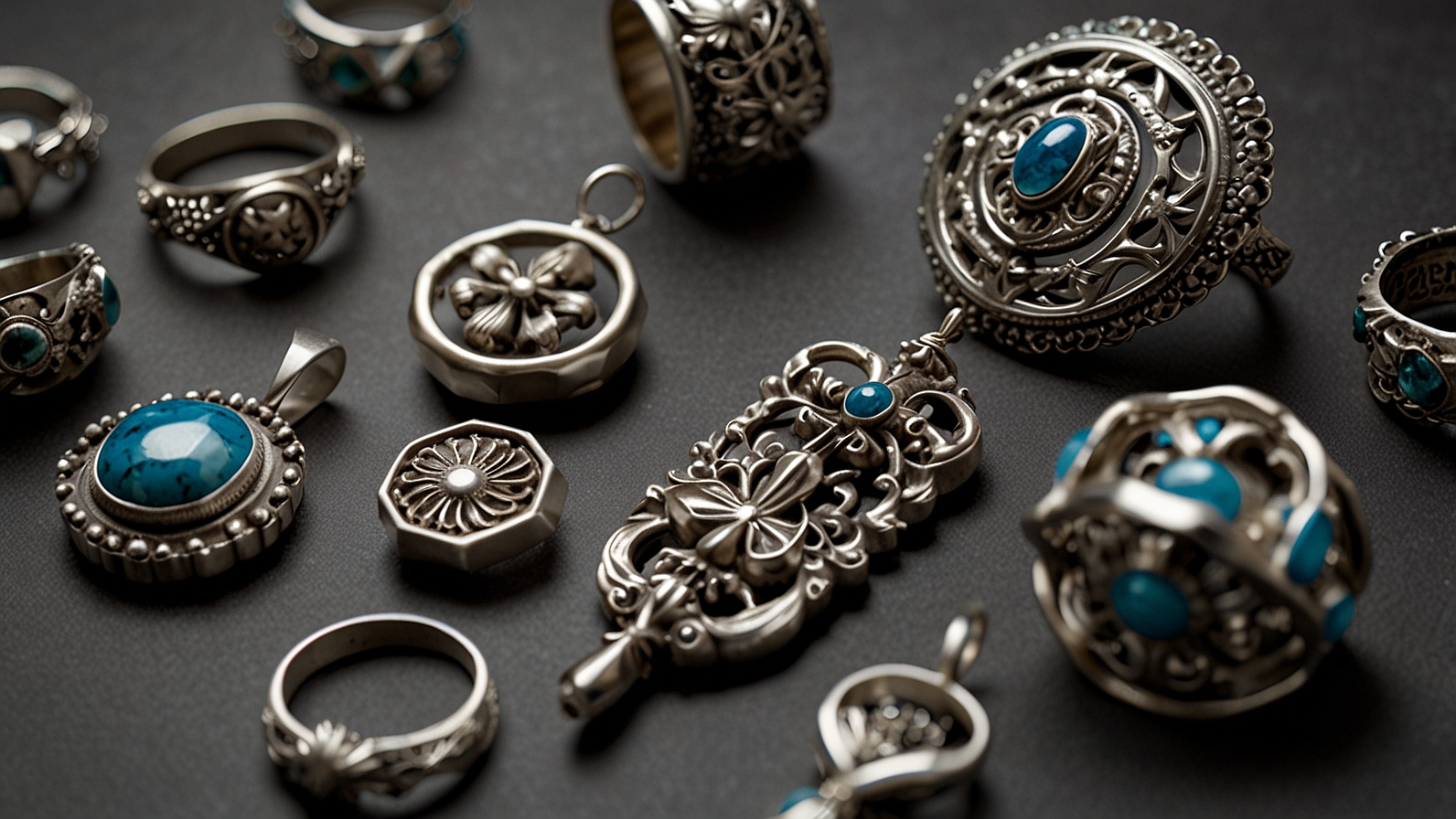
Have you ever held a piece of jewelry and felt it had a story to tell? Not just of its making, but of distant landscapes, ancient symbols, and the hands that carefully shaped it? This is the unique magic you discover with Tsunaihaiya, a jewelry label where the spirit of the American Apache meets the meticulous soul of Japanese craftsmanship. In a world of mass-produced accessories, this brand stands as a quiet testament to authenticity, creating wearable art for those who seek meaning, not just ornamentation.
What is Tsunaihaiya? Unpacking the Name and the Narrative
Let’s get straight to the heart of it. Tsunaihaiya is far more than a brand name; it’s a philosophy. While the name itself evokes a deep, Japanese sensibility, the brand’s identity is a beautiful tapestry woven from two distinct cultural threads. Imagine the disciplined, patient artistry of a Japanese master silversmith—someone for whom a single brushstroke or a perfectly placed hammer tap is a form of meditation. Now, picture the powerful, earth-connected symbolism of Apache heritage, where every pattern and shape carries generations of stories and connection to the natural world. Tsunaihaiya lives right at the intersection of these two worlds.
Think of it not as cultural appropriation, but as a respectful cultural conversation. The result is a collection of silver accessories that feel both timeless and deeply personal. They aren’t simply “Southwestern-style” or “tribal-inspired.” They are something entirely new, born from a genuine appreciation for both traditions.
The Hallmarks of True Craftsmanship: What Sets Tsunaihaiya Apart
So, how can you spot the soul of a Tsunaihaiya piece? It’s in the details that machines can’t replicate. When you’re evaluating artisan jewelry, it’s helpful to know what to look for. Here’s a breakdown of the key features that define this brand’s work.
Feature Comparison: Mass-Produced vs. Tsunaihaiya Artisan Silver
| Feature | Mass-Produced Silver Jewelry | Tsunaihaiya Artisan Silver |
|---|---|---|
| Technique | Machine-stamped, cast in bulk, uniform. | Handcrafted: Hammered, stamped, and shaped by hand, making each piece unique. |
| Design Origin | Generic, trend-chasing patterns. | Apache-Inspired Symbolism: Motifs drawn from nature and heritage, each with meaning. |
| Finish & Texture | Highly polished, often plated, can feel sterile. | Organic Textures: A mix of polished and matte finishes, celebrating the natural character of the metal. |
| Story & Authenticity | Little to no narrative; it’s a commodity. | Heritage-Informed: Each piece is part of a cross-cultural story, making it a conversation starter. |
Let’s break down a few of these points with some real examples you might find in their collection:
- The Weight of Authenticity: Pick up a Tsunaihaiya cuff bracelet. Feel that substantial weight? That’s the heft of solid silver, not a hollow shell. It sits on your wrist with a presence that fast fashion simply can’t imitate.
- The “Imperfect” Perfections: Look closely at the stamp work on a pendant. You might see slight variations in the depth of the impressions. This isn’t a flaw; it’s the signature of the human hand. It’s what makes your piece one-of-a-kind, a tiny record of the moment it was made.
- The Story in the Symbol: A recurring geometric pattern might not just be a design—it could represent the path of life, the four cardinal directions, or the strength of a mountain. This layer of meaning transforms the jewelry from an accessory into a personal talisman.
Why Your Next Jewelry Purchase Should Be Heritage-Informed
You might be wondering, “Why does this matter for my daily life?” Well, the clothes and accessories we choose are a form of self-expression. Opting for a piece from a brand like Tsunaihaiya shifts your style narrative in a few powerful ways.
First, it’s a move away from the disposable. Fast fashion has its place, but it often leaves us with a closet full of items that feel empty. Investing in a heritage-informed piece is the opposite. It’s a deliberate choice for quality and longevity. This isn’t a piece you’ll wear for one season; it’s something that will develop its own patina and character over years, becoming a part of your own story.
Secondly, it connects you to a slower, more intentional way of living. Wearing a handcrafted item is a small, daily reminder that some things are worth taking time over. It champions the artisan over the algorithm. Furthermore, in a globalized world, wearing a piece that respectfully bridges cultures is a subtle but powerful statement about unity and appreciation. It’s a way to carry a beautiful, positive narrative with you.
How to Style and Care for Your Tsunaihaiya Silver
Alright, so you’re captivated by the story. But how do you make these distinct pieces work with your existing wardrobe? The beauty of Tsunaihaiya’s aesthetic is its versatility.
Styling Your Piece:
- The Solo Statement: Let one bold piece, like a large concho belt or a textured cuff, be the star of the show. Pair it with a simple black dress, a crisp white shirt, or a neutral sweater. The contrast will make the jewelry pop.
- The Layered Look: Combine a few simpler Tsunaihaiya necklaces of different lengths. Mix a small symbol pendant with a longer chain featuring simpler beads. This creates a curated, personal look that’s full of texture.
- Modern Bohemian: Integrate a Tsunaihaiya ring or pair of earrings with contemporary, tailored pieces. Imagine a sleek blazer and jeans, elevated by the organic, earthy feel of your silver jewelry.
Caring for Your Investment:
Silver is a living metal, and it tarnishes when exposed to air. This is normal! A little tarnish can even enhance the antique look. But if you prefer a brighter shine, care is simple.
- Storage is Key: Keep your jewelry in a dry, airtight container, like a ziplock bag or a tarnish-preventive cloth pouch.
- Gentle Cleaning: Use a special silver polishing cloth for routine cleaning. For more stubborn tarnish, a drop of mild soap in warm water and a soft-bristled toothbrush will do the trick. Dry thoroughly immediately after.
Conclusion: Embracing the Art of Meaningful Adornment
In the end, choosing Tsunaihaiya is a choice to wear a story. It’s a rejection of the impersonal and a celebration of the human spirit’s ability to create beauty across cultures. It’s for the person who sees their accessories not as decorations, but as extensions of their values—appreciation for craft, respect for heritage, and a desire for authenticity.
Your 3-Step Journey to Authentic Style:
- Look Beyond the Label: Start noticing the how and why behind the products you buy. Seek out the stories.
- Invest in One True Piece: Instead of three trendy, forgettable items, save for one piece of artisan jewelry that will resonate for years.
- Wear Your Story with Pride: Let your choices reflect a deeper appreciation for the world’s diverse artistry.
What’s the one piece of jewelry you own that holds the most meaning for you? Share your story in the comments below.
You May Also Like: Unlock Your Most Flawless Makeup Day with Primerem
FAQs
Q: How do you pronounce “Tsunaihaiya”?
A: It’s pronounced approximately as “Tsoo-nai-high-ya.” The brand’s Japanese roots are reflected in the pronunciation, which flows smoothly when said slowly.
Q: Is Tsunaihaiya jewelry made by Indigenous Apache artisans?
A: Tsunaihaiya is a Japan-based label that draws deep inspiration from Apache symbolism and heritage. Their work is a fusion, crafted by artisans who have a profound respect for the cultural motifs they incorporate, creating a new, cross-cultural dialogue through design.
Q: Where can I officially purchase Tsunaihaiya jewelry?
A: The best place to start is their official brand website. They may also be available through select, high-end boutique stockists that specialize in artisan and designer jewelry. Always check for authorized retailers to ensure authenticity.
Q: Why is artisan silver jewelry more expensive than mass-produced pieces?
A: You’re paying for the artist’s time, skill, and the story. Each piece involves hours of hands-on work, from hammering and soldering to polishing. You’re also investing in high-quality, solid silver rather than silver-plated base metals, ensuring the piece lasts a lifetime.
Q: Can I request custom pieces from Tsunaihaiya?
A: Many artisan labels, especially those operating on a smaller scale, are open to custom commissions. It’s best to contact them directly through their official channels to inquire about their policy for custom orders, as it can vary.
Q: How can I tell if my Tsunaihaiya piece is authentic sterling silver?
A: Genuine sterling silver is typically stamped with a hallmark, most commonly “925” (indicating 92.5% pure silver). Look for this stamp on the clasp of a necklace or bracelet, or on the inside of a ring or cuff. The weight and cool feel of the metal are also good indicators.
Q: My skin is usually sensitive to jewelry. Will I be able to wear Tsunaihaiya pieces?
A: Absolutely. High-quality sterling silver is hypoallergenic and is an excellent choice for those with sensitive skin, as it contains no nickel or common irritants found in cheaper costume jewelry.