 By Bemi Brooks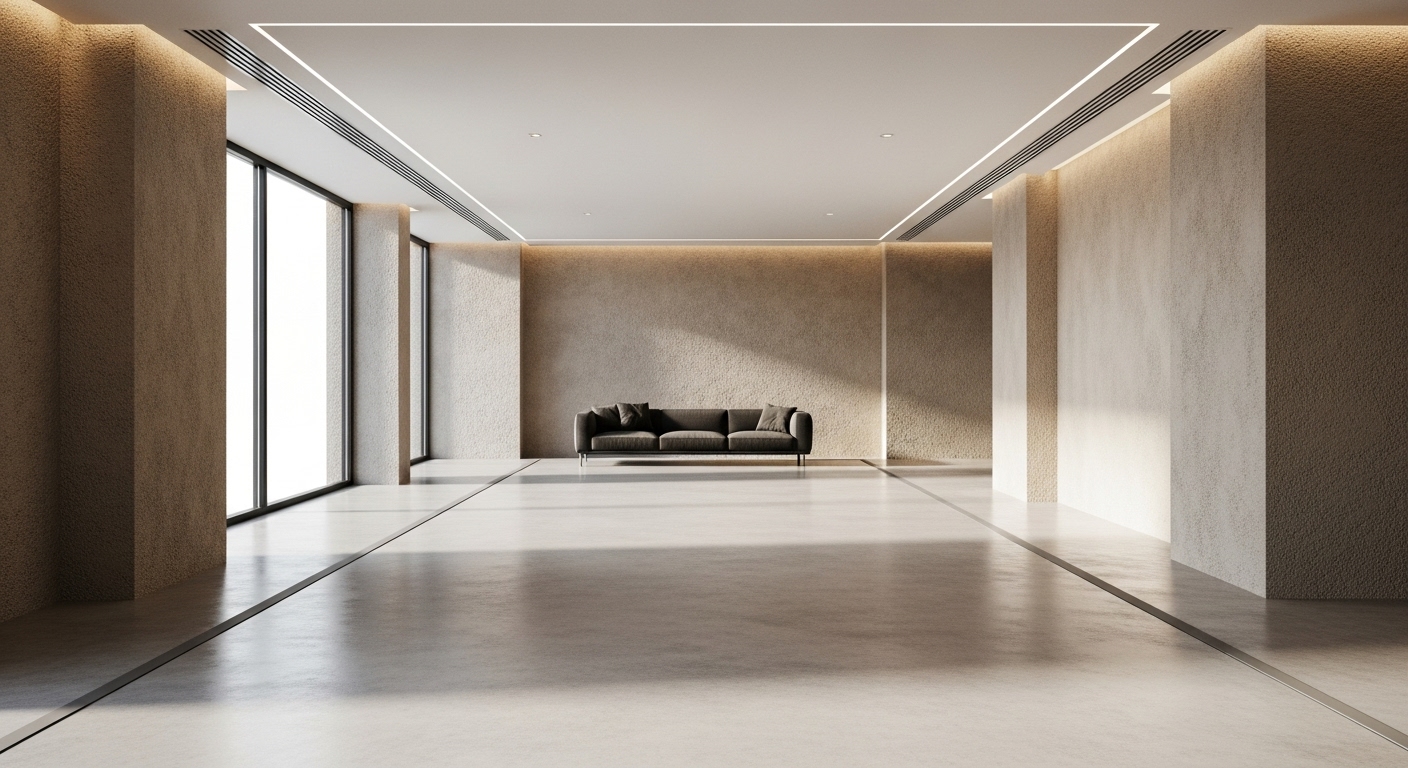
Imagine walking into a luxury home where every wall, floor, and corner feels perfectly smooth and aligned. The surfaces catch the light just right, resist daily wear without showing it, and create a sense of effortless elegance. That seamless quality does not happen by accident. It comes from Acamento, the thoughtful approach to finishing that combines scientific precision with skilled craftsmanship.
Professionals in construction, architecture, and interior design often say the devil is in the details. Acamento elevates those details, turning standard builds into exceptional spaces that meet high luxury building standards.
Understanding Acamento: Where Art Meets Precision Engineering
Acamento draws from the Portuguese word “acabamento,” which means finishing or the final touch. In modern construction and design, it refers to specialized surface treatments and finishes applied after the main structural work. These include advanced coatings, leveling compounds, and sealing techniques that enhance both form and function.
Unlike basic paint or sealants, Acamento focuses on precision engineering. It integrates materials at a molecular level for better adhesion and performance. The result is surfaces that achieve perfect structural alignment while delivering lasting aesthetic durability.
Think of it as the bridge between raw construction and refined living. Architects and contractors use it for surface leveling, seamless transitions between materials, and architectural detailing that feels intentional rather than added on.
The Science Behind Acamento: Material Integration and Durability
At its core, Acamento relies on proven material science. Advanced coatings, often with nano-scale layers, create barriers against moisture, UV rays, corrosion, and everyday abrasion. These finishes manipulate light reflection and texture for both protection and visual appeal.
For example, in flooring or wall applications, Acamento compounds level uneven substrates to within millimeters, preventing issues like cracking or uneven wear over time. Tests show these solutions outperform traditional methods in longevity, often extending surface life by years while reducing maintenance needs.
This precision engineering supports modern masonry and construction craftsmanship. It allows different materials (wood, metal, concrete, ceramics) to integrate smoothly without compromising structural integrity.
The Craftsmanship Side: Aesthetic Durability and Interior Refinement
Science provides the foundation, but craftsmanship brings the soul. Skilled tilers, masons, and finishers apply Acamento with an artist’s eye. They choose textures (matte for subtle sophistication, glossy for reflective elegance, brushed for tactile depth, or textured for added grip) that complement the overall design.
In luxury homes, this means flawless baseboards, perfectly aligned tile edges, or walls that feel velvety yet resilient. One experienced contractor I know worked on a waterfront property where Acamento created seamless transitions from indoor to outdoor spaces. The finish held up through humid conditions without warping or fading, impressing both the homeowners and the design team.
Key Benefits of Acamento for Professionals and Homeowners
Acamento delivers clear advantages that align with luxury building standards:
- Enhanced Durability — Protective layers resist scratches, stains, and environmental damage.
- Superior Aesthetics — Custom textures and finishes create visual harmony and light play.
- Ease of Maintenance — Smooth, sealed surfaces clean easily and stay looking new longer.
- Material Versatility — Works on wood, metal, concrete, ceramics, and composites.
- Long-Term Cost Savings — Fewer repairs and replacements offset initial investment.
- Precision and Safety — Level surfaces reduce trip hazards and improve structural alignment.
These benefits make Acamento a go-to for high-precision finishing in luxury homes and commercial projects.
Acamento Installation Best Practices
Successful results depend on preparation and technique. Follow these steps for reliable outcomes:
- Assess the substrate thoroughly. Clean, dry, and level the surface. Use compatible primers if needed.
- Select the right Acamento formulation. Match it to the material, environment (indoor/outdoor, high-traffic), and desired finish (matte, glossy, etc.).
- Apply in controlled conditions. Maintain proper temperature and humidity for optimal curing.
- Use precision tools. Trowels, rollers, or spray systems ensure even coverage and surface leveling.
- Allow full curing time. Rushing leads to defects; patience ensures aesthetic durability.
- Inspect and refine. Check for seamless transitions and make minor adjustments before final approval.
Contractors report that planning Acamento from the design phase avoids costly rework later.
Real-World Applications in Modern Construction
In architecture, Acamento shines in high-end residential projects where interior refinement matters most. It creates invisible joints between cabinetry and walls or durable, beautiful flooring in kitchens and bathrooms.
One notable example comes from upscale renovations where architects specified Acamento for curved walls and custom millwork. The finish provided structural alignment and a refined texture that photographs beautifully, meeting client expectations for luxury.
For specialized contractors, it simplifies complex material integration, such as combining stone cladding with modern lighting elements.
Comparing Acamento to Traditional Finishing Methods
A quick comparison highlights the difference:
| Aspect | Acamento | Traditional Finishes |
|---|---|---|
| Durability | High (nano/sealed protection) | Moderate (prone to wear) |
| Installation Precision | Excellent (self-leveling options) | Variable (requires more skill adjustment) |
| Maintenance | Low | Higher (frequent resealing) |
| Aesthetic Options | Wide range of textures/reflectivity | Limited |
| Long-Term Cost | Lower overall | Higher due to repairs |
Acamento consistently wins for projects demanding precision and longevity.
Actionable Takeaways to Get Started
- Audit your current projects for finishing weak spots and consider Acamento upgrades.
- Partner with suppliers experienced in high-precision solutions for best results.
- Train your team on surface preparation and application techniques.
- Incorporate Acamento early in the design phase for seamless integration.
- Document before-and-after results to showcase value to clients.
What finishing challenges have you faced on recent projects, and how might Acamento help solve them?
You May Also Like: How to Implement the 123safe67 Safety Mindset Today
FAQs
What exactly is Acamento?
Acamento is the specialized process of applying surface treatments and finishes to enhance appearance, durability, and function in construction and design. It goes beyond basic completion to deliver precision and refinement.
Is Acamento only for luxury projects?
While popular in high-end work, its durability and efficiency make it cost-effective for a range of applications, including standard renovations that aim for better longevity.
How long does an Acamento finish last?
With proper application, it can endure 10-20 years or more, depending on material and environment. Regular cleaning extends this further.
Can homeowners apply Acamento themselves?
Small areas might work with DIY kits, but professional installation is recommended for large-scale or complex jobs to ensure optimal surface leveling and adhesion.
What materials does Acamento work best with?
It performs well on wood, metal, concrete, ceramics, plaster, and composites. Always check compatibility with your specific substrate.
How does Acamento contribute to sustainable building?
Many formulations use low-VOC coatings and reduce waste through precise application. Durable finishes mean fewer replacements over time.
Where can I find Acamento products or installers?
Look for specialized suppliers focused on architectural finishes or consult contractors experienced in modern masonry and precision detailing.