 By Bemi Brooks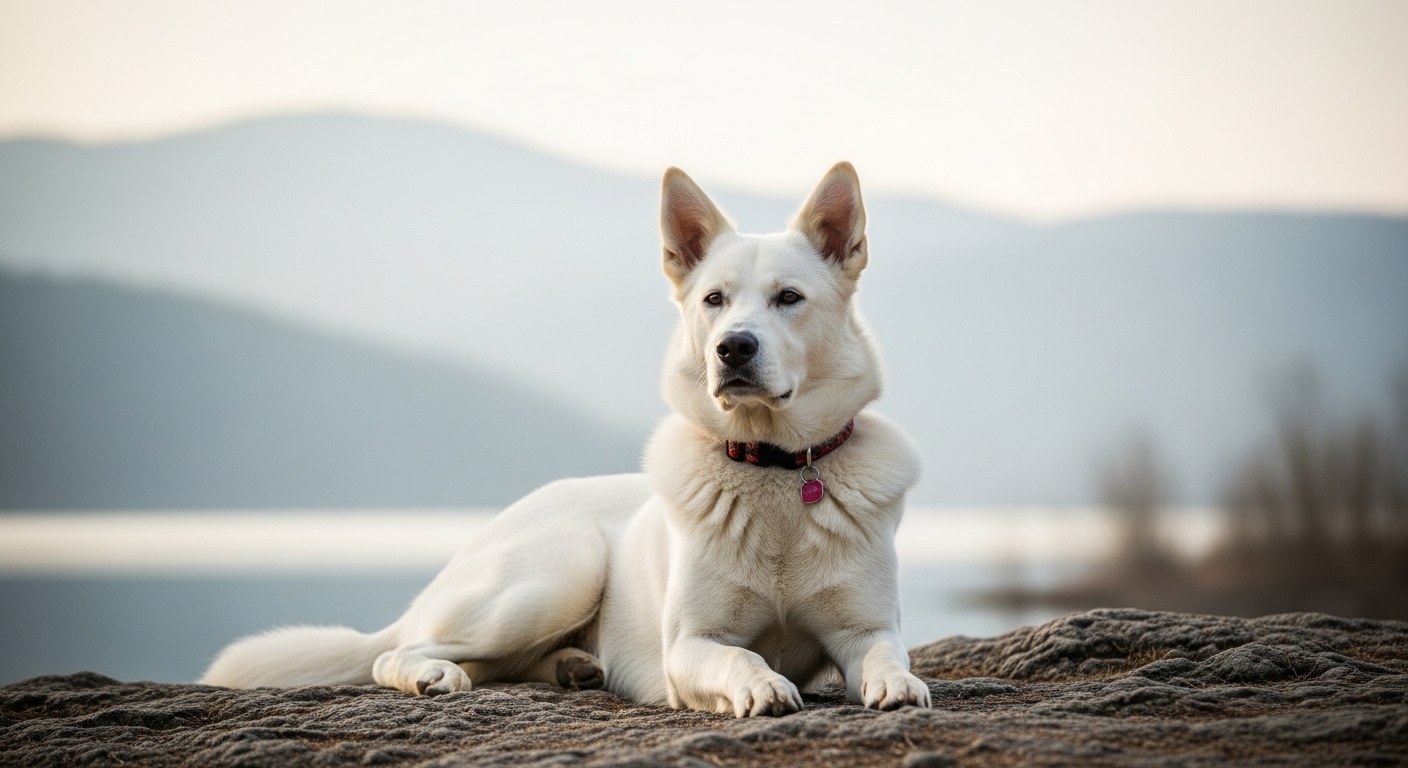
Key Points
- The Sagerne is a rare hybrid breed that combines the cultural heritage of the Sapsali from South Korea with the livestock guardian influence often linked to large, protective breeds like the Great Pyrenees (possibly referred to as Gurene in some contexts). This mix brings hybrid vigor, loyalty, and a majestic presence.
- These dogs are gentle and devoted with their families, protective by nature, and often good with children when socialized early. However, their size, energy, and guardian instincts make them best suited for experienced owners with ample space.
- They require dedicated grooming for their thick, shaggy coat, regular exercise, and firm yet positive training. Research suggests they benefit from active households rather than apartment living, and potential health issues are minimized through hybrid vigor, though regular vet care is essential.
- Controversy exists around rare hybrids, as some prefer established breeds for predictability, while enthusiasts value the unique traits and cultural significance. The evidence leans toward the Sagerne being a rewarding companion for the right owner who appreciates their heritage and needs.
Overview of the Breed The Sagerne stands out as a unique companion that blends ancient Korean traditions with strong working dog lineage. If you’re seeking a loyal, protective dog with a striking appearance and a touch of cultural depth, this hybrid may appeal to you.
Pros and Cons at a Glance
- Pros: Loyal, family-oriented, potential for lower health risks due to hybrid vigor, impressive appearance.
- Cons: High grooming needs, requires significant exercise and space, may be wary of strangers, not ideal for first-time owners.
Imagine walking into your home after a long day and being greeted by a large, fluffy dog with a lion-like mane, eyes full of quiet intelligence, and a tail that wags gently at the sight of you. That is the everyday magic many Sagerne owners describe. This rare hybrid, blending the Sapsali’s Korean cultural roots with strong guardian traits, has quietly captured the hearts of those who value unique, meaningful companions. If you have ever wondered whether a Sagerne could fit into your life, this deep dive explores everything from origins to daily realities.
What Exactly Is a Sagerne?
The Sagerne is an intentional hybrid that draws from the Sapsali, a rare South Korean breed known for its historical role in warding off misfortune, and guardian influences that emphasize protection and calm strength. The result is a dog that combines cultural significance with practical working abilities. While not yet recognized by major kennel clubs, these hybrids are gaining attention among enthusiasts interested in rare pet hybrids and South Korean dog breeds.
The name Sagerne itself evokes a sense of strength and heritage, merging elements of its parent lines. Owners often note the breed’s striking appearance: a large, muscular frame covered in thick, long fur that can range from white and cream to mixed shades of gold, gray, or brown.
History and Cultural Roots
The Sapsali side brings a rich backstory. Originating in Korea during ancient times, these dogs were cherished as symbols of good fortune and protection against evil spirits. Nearly lost to history in the mid-20th century, dedicated revival efforts saved the breed, earning it protected status as a Natural Monument in South Korea. The guardian influence adds centuries of livestock protection experience, where dogs worked independently to safeguard flocks from predators.
This fusion creates a dog with working dog lineage but a modern companion focus. Hybrid vigor often results, potentially reducing some inherited issues common in purebreds.
Appearance and Physical Traits
A typical Sagerne stands medium-large, with males reaching 24-30 inches at the shoulder and weighing 70-120 pounds, depending on which parent traits dominate. The coat is one of the most notable features: long, thick, and double-layered for weather resistance, often with a mane around the neck and chest that gives a regal, lion-like look.
Colors vary widely, from solid white to mixed patterns, sometimes with subtle badger markings or gold tones. The coat can appear hypoallergenic to some allergy sufferers due to its texture, though no dog is truly allergen-free.
Here is a quick comparison table of physical traits:
| Trait | Sagerne (Hybrid) | Sapsali (Pure) | Great Pyrenees Influence |
|---|---|---|---|
| Height (males) | 24-30 inches | ~20 inches | 28-31 inches |
| Weight | 70-120 lbs | 40-65 lbs | 100-160 lbs |
| Coat Type | Long, thick, double | Long, shaggy | Long, thick double |
| Common Colors | White, cream, mixed | Various (black, gold) | Mostly white |
This blend often produces a dog that looks majestic without being overly massive.
Temperament: Living with a Sagerne
Sagerne dogs tend to be gentle giants at home. They form deep bonds with family members and are often patient with children when raised together. Their protective nature means they may be reserved or watchful around strangers, a trait from both parent lines.
These dogs thrive on routine and purpose. Early canine socialization is crucial to help them distinguish friend from potential threat. They are intelligent and respond well to positive reinforcement, though their independent streak requires consistent leadership.
Many owners describe their Sagerne as “quiet guardians”: alert but not overly barky unless needed, calm indoors, and devoted companions.
Grooming and Care Needs
The thick coat demands regular attention. Weekly brushing prevents matting, with more frequent sessions during shedding seasons. Professional grooming every 6-8 weeks helps maintain coat health.
Bathing should be infrequent to preserve natural oils. Check ears and trim nails regularly. Dental care and joint supplements support long-term wellness.
Exercise and Training Requirements
Sagerne dogs need daily activity to stay balanced. Aim for 60-90 minutes of exercise, including walks, play, or yard time. They enjoy hikes or tasks that engage their guardian instincts, such as patrolling a fenced yard.
Training should start early and focus on positive methods. These dogs learn quickly but may test boundaries if leadership is inconsistent. Family training classes help with socialization.
Health Considerations and Life Expectancy
Hybrid vigor can lead to fewer genetic issues than purebreds. Common concerns include hip dysplasia, bloat, or coat-related skin problems. Regular vet checkups, a balanced diet, and weight management are key.
Life expectancy typically ranges from 10-13 years with good care. Responsible breeding focuses on health testing to promote longevity.
Is a Sagerne Right for Your Lifestyle?
This breed suits active families with space and experience. They excel in suburban or rural homes with secure yards. Apartment living is challenging due to size and energy levels.
If you value loyalty, cultural uniqueness, and a dog that feels like a true partner, a Sagerne may be ideal. First-time owners might prefer a more predictable breed.
Finding a Reputable Breeder
Seek breeders who prioritize health, temperament, and ethical practices. Visit facilities, meet parent dogs, and ask for health records. Rare hybrids mean limited availability, so patience is essential. Rescue organizations occasionally have similar mixes.
Conclusion and Next Steps
The Sagerne offers a special blend of heritage, protection, and affection. With proper care, they become cherished family members. Consider your lifestyle carefully before committing.
Here are 5 quick tips to get started:
- Research parent breeds thoroughly.
- Prioritize early socialization.
- Invest in quality grooming tools.
- Provide mental and physical stimulation daily.
- Connect with hybrid breed communities online.
Share your thoughts or experiences with rare hybrids below. Your story could help someone else decide.
FAQs
What is a Sagerne’s temperament like with children?
Most are gentle and tolerant when socialized early, but supervision is always recommended due to size.
How much grooming does a Sagerne need?
Regular brushing several times a week, plus professional grooming every few months to prevent mats.
Are Sagerne dogs good guard dogs?
Yes, their protective instincts make them natural watchdogs, though they are more discerning than aggressive.
What is the life expectancy of a Sagerne?
Typically 10-13 years, depending on health care and genetics.
Are Sagerne hypoallergenic?
Their coat may shed less than some breeds, but no dog is fully hypoallergenic.
How do Sagerne compare to traditional breeds?
They offer hybrid vigor and unique traits, but may be less predictable than established breeds.
Where can I find a Sagerne puppy?
Look for ethical breeders specializing in rare hybrids, or check rescues for similar mixes.