 By Bemi Brooks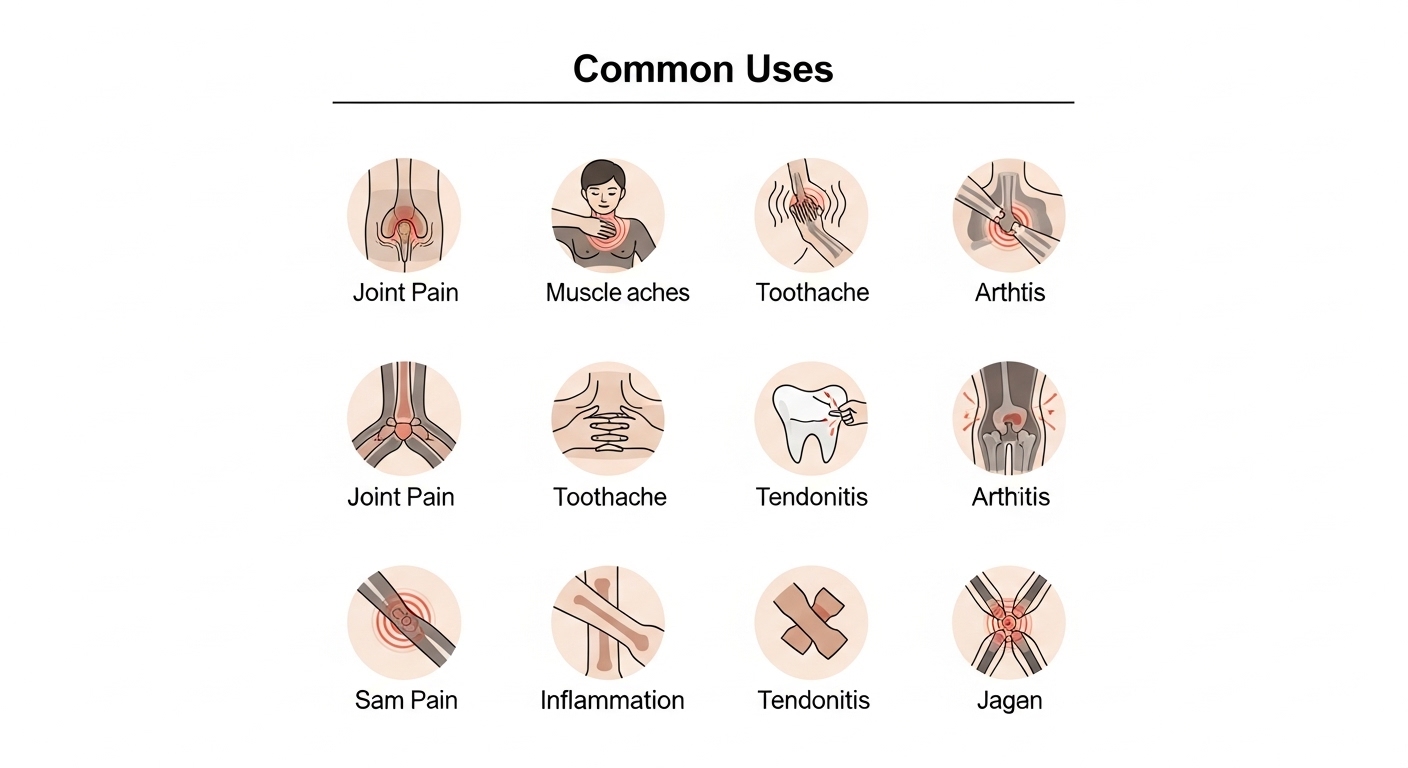
Struggling with sharp back pain that stops you mid-step or monthly cramps that leave you curled up on the couch? You are not alone, and Nimedes often comes up as a trusted option for fast relief. This guide walks you through everything you need to know so you can use it confidently, understand the benefits, and protect yourself from any risks.
What Exactly Is Nimedes?
Nimedes is a brand of nimesulide, a non-steroidal anti-inflammatory drug (NSAID). Doctors prescribe it when patients need quick help with pain and swelling. Unlike some older painkillers that block both COX-1 and COX-2 enzymes, Nimedes focuses mainly on COX-2. This targeted approach gives strong analgesic properties while often showing better gastrointestinal safety for many people.
Picture your body’s pain signals as an overactive alarm system. Nimedes turns down that alarm at its source without upsetting your stomach lining quite as much as traditional NSAIDs might. It also delivers antipyretic effects, so it can ease fever when infections strike. Available mainly as 100mg tablets, Nimedes has helped countless adults regain comfort during flare-ups of osteoarthritis or sudden injuries.
How Nimedes Works to Ease Your Pain
When tissue gets injured or inflamed, your body releases chemicals that trigger swelling and discomfort. Nimedes steps in as a selective COX-2 inhibitor. It lowers the production of prostaglandins, the messengers that amplify pain and fever. The result? You feel relief usually within 30 to 60 minutes, and the effect can last several hours.
Patients often tell me the difference feels noticeable right away. One woman I counseled described it as “finally being able to walk my dog without wincing.” Because it spares COX-1 more than older drugs, many users report fewer stomach complaints. Still, every body reacts differently, so listening to yours remains essential.
Who Can Benefit from Nimedes? Key Therapeutic Indications
Healthcare providers reach for Nimedes in several common situations:
- Acute pain management after sprains, dental work, or minor surgery
- Osteoarthritis treatment to reduce joint stiffness and improve daily movement
- Primary dysmenorrhea, or menstrual cramps relief that lets women get back to their routines
- Short-term fever reduction when other measures fall short
It works especially well for conditions where inflammation drives the problem. Caregivers of older adults with osteoarthritis often notice better mobility within days. Younger patients dealing with sports injuries appreciate how quickly it calms the ache so they can start gentle rehab.
Getting the Dosage Right: Nimedes for Adults Explained
The standard Nimedes dosage for adults is straightforward: 100mg twice daily. Most people take one tablet in the morning and one in the evening, always after food. This simple routine protects your stomach and keeps blood levels steady.
Doctors rarely recommend more than 200mg in 24 hours. For how to take Nimedes for back pain, the same schedule applies. Swallow the tablet whole with a full glass of water. If you miss a dose, take it as soon as you remember unless it is almost time for the next one. Never double up.
Treatment length matters. Guidelines suggest no more than 15 days of continuous use without a fresh check-in with your doctor. This limit helps lower any chance of problems and keeps the medication working when you truly need it.
Practical Tips: How to Take Nimedes for Back Pain and More
Here is a simple routine that patients find helpful:
Start with the lowest effective dose (usually 100mg twice daily). Take it after meals to reduce any stomach irritation. Stay upright for at least 30 minutes afterward so the tablet moves smoothly. Pair it with gentle movement or heat packs for back pain to boost comfort. Track your symptoms in a notebook so you can share details at your next appointment.
If you are helping a family member, set phone reminders and keep the box visible. Always store tablets in a cool, dry place away from children.
Understanding the Risks: Nimedes Side Effects and Precautions
No medication is risk-free, and Nimedes is no exception. Most people tolerate it well, but you should know what to watch for. Common side effects include mild nausea, dizziness, or heartburn. These usually settle quickly.
More serious concerns center on hepatotoxicity, or liver stress. Though uncommon, it can appear as yellowing of the skin, dark urine, or extreme fatigue. Stop the medicine immediately and contact your doctor if these signs show up. Regular blood tests help catch issues early when use stretches beyond a week or two.
The gastrointestinal safety profile of Nimedes often beats older NSAIDs, yet ulcers or bleeding can still occur in sensitive people. Those with a history of stomach problems, asthma triggered by aspirin, or severe kidney issues should talk with their provider before starting. Pregnant women, especially in the third trimester, and people with active liver disease must avoid it entirely.
Drug Interactions and Other Safety Tips to Keep in Mind
Nimedes can interact with certain medicines, so share your full list with your pharmacist or doctor. Watch out for blood thinners like warfarin, other NSAIDs, or even some blood-pressure drugs. Alcohol increases liver strain, so it is wise to skip it while taking Nimedes.
Is Nimedes available over the counter? In most countries it requires a prescription. This rule exists to protect you. A quick chat with your healthcare provider ensures it fits your personal health picture and rules out any hidden risks.
Is Long-Term Use of Nimedes a Good Idea?
Safety of long-term Nimedes use is a frequent question, and the honest answer is no. Experts agree it works best for short bursts of acute pain. Prolonged use raises the chance of liver and kidney strain without adding extra benefit. If your pain lingers, your doctor can explore other options such as physical therapy, different medications, or lifestyle changes that address the root cause.
Many patients feel relieved once they hear this. Switching to a safer plan for ongoing osteoarthritis treatment often brings better results and peace of mind.
Nimedes Compared to Other NSAIDs: Pros and Cons
You might wonder how Nimedes stacks up against ibuprofen or diclofenac. Its COX-2 selectivity often means fewer stomach issues for short courses. Yet some countries have placed extra monitoring rules on it because of the hepatotoxicity signal. Your choice depends on your medical history, other medicines, and how your body responds. A short trial under medical supervision usually reveals the best fit.
3 Key Takeaways for Safe Pain Relief
- Use Nimedes at the right dose for the shortest time needed.
- Watch for any unusual symptoms and stop if they appear.
- Always involve your doctor or pharmacist in the decision.
What is one change you will make today to manage your pain more safely? Maybe it is scheduling that check-up or simply reading the label more carefully. Small steps add up to big protection.
You May Also Like: What is TransDS? Everything You Need to Know About This Healing Modality
FAQs
How to take Nimedes for back pain?
Take 100mg after breakfast and 100mg after dinner with food. Limit to 15 days and combine with rest or gentle stretches. Check with your doctor first.
What are Nimedes side effects and precautions?
Common ones include mild stomach upset. Rare but serious liver effects can occur, so report yellow skin or dark urine right away. Avoid if you have liver disease or are pregnant.
What is the Nimedes dosage for adults?
One 100mg tablet twice daily after meals, maximum 200mg per day. Never exceed the prescribed amount.
Is Nimedes available over the counter?
No, it usually requires a prescription. Local rules may vary, so confirm at your pharmacy.
What are Nimedes drug interactions to avoid?
Avoid combining it with blood thinners, other NSAIDs, or large amounts of alcohol. Always review your full medication list with your doctor.
Is Nimedes good for menstrual cramps relief?
Yes, many women find fast relief from dysmenorrhea with the standard 100mg dose taken at the first sign of pain. Use only for a few days.
Is long-term use of Nimedes safe?
No. It is designed for short-term acute pain. For ongoing conditions, your doctor can suggest safer alternatives.