 By Bemi Brooks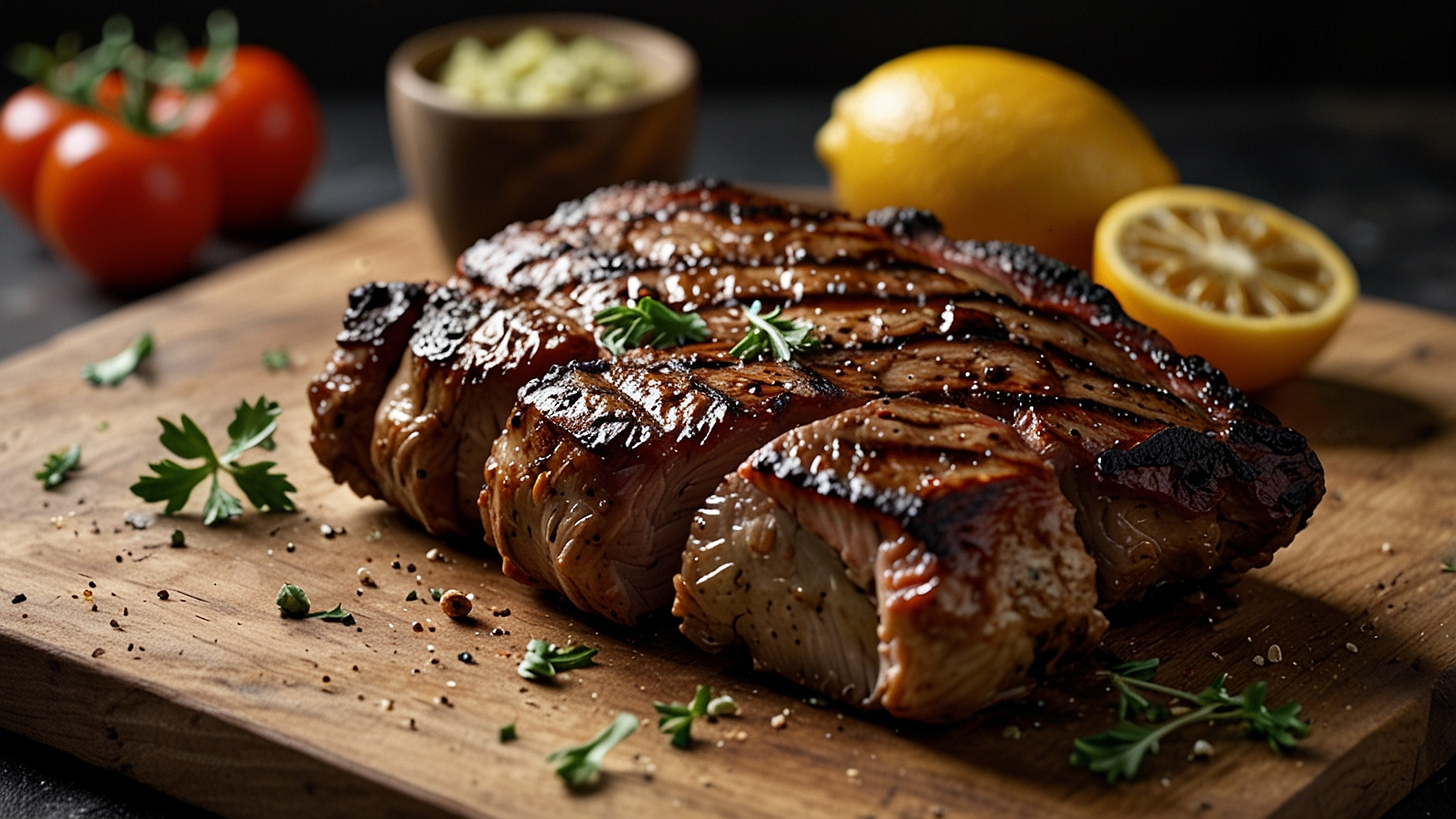
Imagine standing at a bustling street corner in Sarajevo or Belgrade. The air is thick with charcoal smoke, and the sizzle of meat hitting the grill cuts through the evening chatter. You’re handed a warm, fluffy flatbread stuffed with what looks like small skinless sausages, but they taste like nothing you’ve ever experienced. That, my friend, is the magic of levapioli. While burger joints dominate Western fast food, the Balkans have quietly perfected the art of minced meat for centuries. By 2024, searches for traditional grilled meats have spiked by over 40% as home cooks grow tired of processed patties and seek authentic, rustic flavors. If you love juicy, smoky, and beautifully simple food, it is time to get acquainted with this regional treasure.
What Exactly is Levapioli?
Let’s clear up the confusion right away. Levapioli is essentially a cousin of the more widely known ćevapi (or chevapi). If you hear someone in Bosnia, Serbia, or Croatia talking about grilling for a family gathering, they are likely talking about this.
At its core, levapioli is a grilled minced meat dish, shaped into small finger-sized links. It looks like a sausage but usually contains no casing. The meat is mixed by hand or in a machine until it forms a smooth, almost paste-like emulsion. This binding process is the secret. It ensures that when you throw these little meat rolls on a hot grill, they hold together perfectly, developing a deliciously charred exterior while staying juicy inside.
Think of it as the Balkan equivalent of the Turkish Adana kebab or the Middle Eastern kufta, but with its own distinct seasoning profile which is usually much simpler.
The Flavor Profile: Simple but Powerful
Unlike heavily spiced sausages, levapioli relies on the quality of the meat and the smoke from the grill.
- Meat: Typically a blend of beef and lamb, though some variations use veal or pork depending on the region.
- Seasoning: Just salt, pepper, and sometimes a hint of garlic or paprika. That’s it.
- Texture: Firm and snappy on the outside from the grill, tender and almost crumbly on the inside.
Levapioli vs. Cevapi: Is There a Difference?
This is the most common question people ask, and honestly, even locals debate it. In many contexts, the words are used interchangeably. However, if you want to sound like a true connoisseur, there is a slight distinction.
Table: Feature comparisons of Levapioli vs Cevapi (described in text)
To put it simply, think of the difference between a “burger” and a “slider.” They are essentially the same thing, but the size and specific preparation method can change the name.
- Shape and Size:
- Cevapi: Usually smaller. You might get 5 or 10 pieces per serving, and they are often shorter and thicker.
- Levapioli: Often refers to a slightly longer, thinner link. The word itself has an Italian flair (“polio” might make you think of chicken, but here it refers to the shape), suggesting a more elongated, finger-like form.
- Meat Grind:
- Cevapi: Sometimes has a coarser texture.
- Levapioli: Almost always implies a very fine, almost creamy emulsion of meat. It is mixed more intensely, resulting in a smoother bite.
- Serving Context:
- While both are street food, “levapioli” is a term you might see on a restaurant menu wanting to sound a bit more specific or rustic-chic, whereas “ćevapi” is the everyday, universal term.
The Art of Making Authentic Levapioli at Home
You don’t need to travel to the Balkans to enjoy this. Can you replicate that charcoal magic in your backyard? Absolutely. But there are a few hurdles you need to jump over to get it right.
The “Emulsion” Hurdle
Many first-timers end up with meat that falls apart on the grill. Why? They don’t mix it enough. You need to treat the meat like you’re making a dough.
- Start Cold: Keep your meat and bowl ice-cold.
- Add Water: This sounds strange, but you need to add a little bit of sparkling water or mineral water to the mix.
- Knead: Mix it with your hands for at least 10 to 15 minutes. The mixture should turn sticky and pale. This is the protein binding together. If you skip this, your levapioli will crumble into the coals.
The Grill is Non-Negotiable
You can cook these in a pan, but you will miss the soul of the dish. The smoky flavor from charcoal is what defines authentic levapioli. It is the difference between a photograph of a fire and actually feeling its warmth.
Why This Dish is Perfect for Summer Gatherings
We all love a good barbecue, but let’s be honest: flipping huge steaks and chicken breasts can get boring. Levapioli offers a fantastic alternative for feeding a crowd.
- Portion Control: Because they are small, you can cook a lot at once. No one is waiting 20 minutes for their food.
- Budget Friendly: Minced meat is generally cheaper than prime cuts of steak. You can feed 6 people for the price of 2 steaks.
- Interactive Eating: It’s a communal dish. Everyone builds their own “sandwich.”
- Make-Ahead Friendly: You can shape the levapioli hours in advance and keep them covered in the fridge, ready to hit the grill the moment your guests arrive.
The Holy Trinity of Sides: How to Serve It
You cannot just throw levapioli on a plate and call it a day. The experience is about the combination of textures. If the meat is the star, the sides are the supporting actors that win the Oscar.
1. Lepinja (The Flatbread)
This is crucial. Lepinja is a soft, fluffy, often sesame-seed-topped flatbread. It’s slightly chewy and perfect for soaking up the juices. You usually stuff the meat into the bread, rather than serving it on the side. It acts as both the plate and the utensil.
2. Raw Onions (The Bite)
White onions, chopped into chunks or sliced, are a must. They are sharp, crisp, and cut through the richness of the lamb and beef. You’ll often see them tossed in a little salt and maybe some vinegar.
3. The Trio of Condiments
You don’t need ketchup or yellow mustard here. The classic trio includes:
- Ajvar: A roasted red pepper and eggplant spread. It’s sweet, smoky, and mildly spicy. Think of it as the king of vegetable spreads.
- Kajmak: A clotted cream cheese. It’s rich, buttery, and slightly tangy. It melts slightly when it touches the hot meat. This is pure indulgence.
- Sour Cream: A simple dollop of fresh sour cream (pavlaka) to cool everything down.
Common Myths About Balkan Grilled Meats
Let’s debunk a few things that might be holding you back from trying this.
- Myth: “It’s just a spicy sausage.”
- Reality: It’s actually very mild. The flavor comes from the charcoal and the fat, not from chili or heavy spices.
- Myth: “It’s difficult to make.”
- Reality: The ingredients are simple. The only tricky part is the mixing, but once you understand that, it is easier than forming perfect burger patties.
- Myth: “Lamb will make it gamey.”
- Reality: Using lamb fat (or a mix of lamb and beef) actually adds a creamy richness. If you use young lamb, there is no “gamey” taste, just pure umami.
5 Tips for Levapioli Perfection
Ready to fire up the grill? Here is a summary of how to nail this dish on your first try.
- Prioritize Fat Content: Don’t use lean meat. You need at least 20% fat, preferably 30%. Lamb breast or beef chuck are excellent choices. Fat equals flavor and moisture.
- Grate the Onion: If you want extra moisture and flavor inside the meat, grate a small onion on a microplane and mix it in. Just make sure to squeeze out the excess water first.
- Oil the Grill, Not the Meat: Brush the grill grates with oil to prevent sticking. If you oil the meat, it might drip and cause flare-ups that char the outside before the inside is cooked.
- Don’t Overcrowd: Leave space between each piece on the grill. You want the heat to circulate and create a sear, not steam the meat.
- Rest Them Briefly: Just like a steak, let the levapioli rest under a piece of foil for 2 to 3 minutes after grilling. This lets the juices redistribute so they don’t run out the moment you bite into them.
Levapioli is more than just food; it’s a social experience. It’s about standing around a grill, tearing off pieces of bread, and sharing a meal with the people you care about. It strips barbecue back to its essentials: fire, meat, and good company.
Have you ever tried cooking something from the Balkan region? Or do you have a secret family recipe for grilled meat that you swear by? I’d love to hear your stories in the comments below. Let’s get the grill marks discussion started!
You May Also Like: The Crunchy Secret of Italian Cookies: Discovering Бишкоти ди Прато
Frequently Asked Questions
Can I make Levapioli in the oven or a pan if I don’t have a grill?
Yes, you can. To mimic the grill flavor, use a cast-iron skillet or a grill pan over high heat. You can also broil them in the oven for a few minutes on each side. However, for the authentic smoky flavor, nothing beats charcoal.
What is the best meat ratio for Levapioli?
A classic blend is 70% beef and 30% lamb. The lamb fat is key to the taste. If you don’t like lamb, you can use beef with added beef fat or even pork fat, but the flavor profile will change slightly.
Why did my Levapioli fall apart on the grill?
This usually happens for two reasons: the meat wasn’t mixed enough to form a protein bond (the emulsion), or the fat content was too low. Make sure to knead the meat mixture for at least 10 minutes until it becomes sticky and paste-like.
Is Levapioli healthy?
Like any grilled meat, it can be part of a balanced diet. It is high in protein. Compared to processed sausages, it has no preservatives or fillers. The fat content is high, so moderation is key, but that fat is what makes it naturally juicy.
What is Ajvar, and can I buy it at a regular grocery store?
Ajvar is a roasted red pepper spread. It is increasingly popular and can often be found in the international aisle of larger supermarkets, or in specialty European delis. You can also make it easily at home by roasting red peppers and eggplants.
Can I freeze raw Levapioli?
Absolutely. Shape the links and place them on a tray lined with parchment paper so they aren’t touching. Freeze them solid, then transfer them to a freezer bag. Thaw them in the fridge overnight before grilling.
What drink pairs well with Levapioli?
Traditionally, it is often enjoyed with yogurt (a drinkable yogurt) which cuts the richness. For an alcoholic pairing, a light, crisp lager like a Bosnian Preminger or a Serbian Jelen beer works wonders. If you prefer wine, a fruity Rosé or a light Red like Gamay is a great choice.