 By Bemi Brooks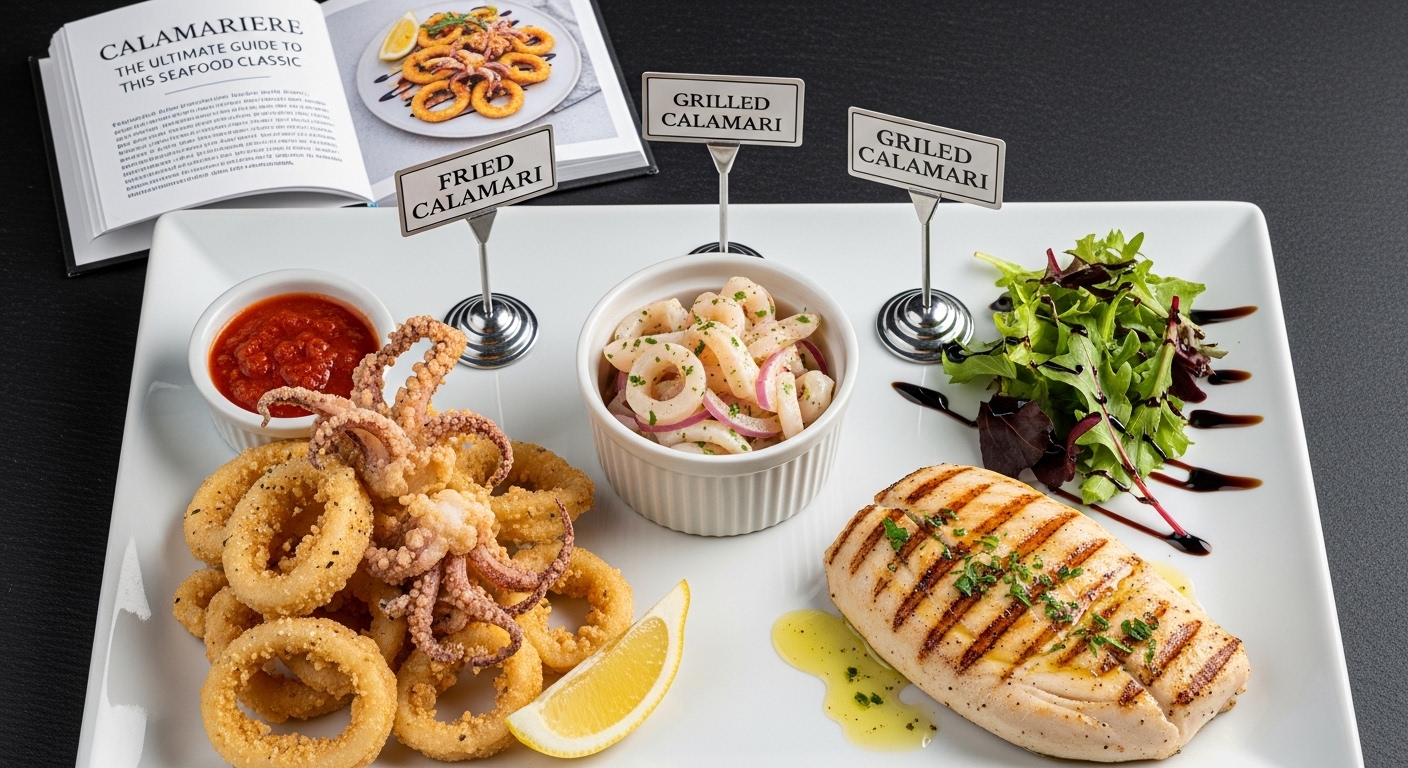
Have you ever sat down at a seaside restaurant, ordered what you thought was perfect calamari, and ended up with rubbery rings that fought back with every bite? I certainly have. That all changed the first time I tasted calamariere on a small terrace in Liguria, Italy. One tender bite, infused with the bright pop of lemon and the warm embrace of garlic sizzling in olive oil, and I was hooked. This is not your average fried squid appetizer. Calamariere elevates a humble Mediterranean staple into something refined, flavorful, and deeply connected to coastal heritage.
In this ultimate guide, we will walk through everything you need to know. You will discover the true meaning of calamariere, its fascinating origins, how it differs from everyday calamari, and simple ways to bring this artisanal seafood experience right into your own kitchen. Whether you are a seafood lover, a home cook chasing Mediterranean inspiration, or simply curious about trending culinary terms, this article will equip you with practical tips and mouthwatering ideas.
What Exactly Is Calamariere?
Calamariere is the artisanal preparation of squid that focuses on quality, simplicity, and respect for the ingredient itself. At its heart, it uses fresh squid (most often from the Loligo genus) cooked gently to highlight its natural sweetness and silky texture. Think whole tubes or large pieces rather than thin rings tossed in heavy batter and dropped into a deep fryer.
The name itself carries poetic roots. “Calamari” comes from the Italian word for squid, which traces back to the Latin “calamarium,” meaning inkpot. Early Mediterranean fishers noticed how the creature released a dark cloud of ink when threatened, much like spilling ink from a pot. The added “iere” ending gives it that sense of craftsmanship, similar to how we describe a skilled baker or winemaker. It signals a thoughtful, heritage-driven approach to seafood gastronomy.
In practice, calamariere shines through quick sautéing in extra virgin olive oil, light grilling over open flames, or slow braising in tomato sauce with herbs. The result? Tender, never tough meat that absorbs flavors beautifully without losing its delicate ocean essence.
A Journey Through Time: The Origins of Calamariere
Calamariere draws directly from the coastal cuisine of Italy, Spain, and Greece, where squid has fed families for centuries. Fishermen in small villages along the Amalfi Coast or the Aegean Sea would haul in fresh Loligo squid each morning, clean them on the spot, and prepare them simply with whatever grew nearby: olive oil, garlic, parsley, and a squeeze of lemon.
This was never about fancy technique or heavy breading. It was about sustainability and resourcefulness. Families learned to cook squid fast and hot to keep it tender or slow and low to turn it meltingly soft. Over time, these methods traveled from humble fishing boats to family tables and eventually to refined coastal restaurants.
Today, calamariere represents a return to those roots while meeting modern expectations for quality. Chefs and home cooks alike embrace it as a way to honor culinary heritage without complicated steps. It feels both timeless and fresh, especially as more people seek sustainable seafood sourcing.
Calamariere vs Calamari: Understanding the Difference
Many people use the words interchangeably, but the distinction matters if you want the best results. Standard calamari usually means rings or tentacles breaded and deep fried until golden and crispy. It delivers that satisfying crunch, yet the texture inside can turn rubbery if even slightly overcooked.
Calamariere takes a different path. It celebrates the squid in larger forms (whole tubes, stuffed bodies, or intact tentacles) prepared with minimal intervention. You cook it in olive oil with aromatics, often finishing with fresh herbs or a splash of white wine. The focus stays on tenderness and pure flavor rather than a thick crust.
Here is a quick comparison to make the difference crystal clear:
| Aspect | Standard Calamari | Calamariere |
|---|---|---|
| Preparation style | Cut into rings, heavily battered | Whole or large pieces, lightly seasoned |
| Cooking method | Deep fried | Sautéed, grilled, or braised |
| Texture focus | Crunchy exterior | Silky and tender throughout |
| Flavor profile | Neutral, relies on sauce | Bright, herbal, ocean fresh |
| Best for | Party appetizers | Elegant main courses or sharing plates |
In short, calamariere feels more personal and refined, like the difference between a fast food burger and a carefully grilled steak.
How to Cook Calamariere at Home: Step by Step
You do not need professional skills or expensive equipment to master calamariere cooking techniques. The secret lies in starting with the freshest squid possible and treating it with care. Here is a complete guide to get you started.
Ingredients for a simple olive oil sauté (serves 4):
- 1.5 pounds fresh Loligo squid (cleaned tubes and tentacles)
- 4 tablespoons extra virgin olive oil
- 4 garlic cloves, thinly sliced
- 1 small chili pepper, sliced (optional for gentle heat)
- Juice and zest of 1 lemon
- Handful of fresh parsley, chopped
- Salt and black pepper to taste
Steps:
- Pat the squid completely dry with paper towels. Moisture is the enemy of tenderness.
- Heat the olive oil in a large skillet over medium high heat until it shimmers.
- Add the garlic and chili. Let them sizzle gently for about 30 seconds until fragrant but not browned.
- Add the squid in a single layer. Season with salt and pepper. Cook for 1 to 2 minutes per side until it turns opaque and curls slightly at the edges.
- Remove from heat immediately. Squeeze over the lemon juice and zest, then scatter the parsley.
- Serve right away with crusty bread to soak up every drop of sauce.
For grilling, simply toss the whole tubes in olive oil and herbs, then cook over medium heat for the same short time. Want to stuff them? Fill cleaned tubes with a mixture of breadcrumbs, chopped tentacles, olives, and capers before securing with toothpicks and braising in tomato sauce for 20 minutes.
These methods work beautifully for beginners and deliver restaurant quality results every time.
The Nutritional Benefits of Calamariere
Beyond its incredible taste, calamariere offers serious health perks as one of the best healthy seafood protein options. A 3 ounce serving delivers about 15 grams of lean protein with very little fat. It provides selenium, vitamin B12, copper, and omega 3 fatty acids that support heart health and brain function.
Because you cook it simply with olive oil instead of heavy batter and oil, you keep calories in check while maximizing nutrients. People following Mediterranean diets often include it several times a week for its anti inflammatory properties and sustainable sourcing potential.
Sustainable Seafood Sourcing for Calamariere
Choosing the right squid matters more than ever. Look for wild caught Loligo from well managed fisheries in the Mediterranean or Pacific. Many reputable fishmongers now label their squid with origin and catch method. Ask questions: Was it line caught? Is it MSC certified? Fresh or previously frozen?
Supporting sustainable fishing helps protect ocean ecosystems and ensures future generations can enjoy this coastal cuisine. Many small scale fishers in Italy and Greece practice low impact methods that align perfectly with the spirit of calamariere.
Perfect Sauces and Mediterranean Style Squid Recipes
The beauty of calamariere lies in how well it pairs with simple sauces. Try a classic garlic and olive oil sauté finished with chili flakes. Or create a bright lemon herb dressing with fresh oregano and mint. For something heartier, simmer stuffed squid in a rich tomato sauce with red wine and bay leaves.
Here are two quick recipe ideas to inspire you:
- Grilled Calamariere Salad: Slice grilled squid and toss with arugula, cherry tomatoes, red onion, and a sherry vinaigrette.
- Spicy Braised Calamariere: Cook whole tubes low and slow in a sauce of crushed tomatoes, garlic, smoked paprika, and white beans for a satisfying one pot meal.
These dishes turn calamariere into a versatile centerpiece for weeknight dinners or weekend gatherings.
Common Mistakes to Avoid and Pro Tips
Overcooking remains the number one pitfall. Remember the rule: either cook squid for less than 2 minutes or more than 20 minutes. Anything in between creates that dreaded chewiness.
Always clean your squid thoroughly (or ask your fishmonger to do it). Remove the beak, quill, and skin for the cleanest flavor. And never crowd the pan. Give each piece room to sear properly.
With these small adjustments, your calamariere will always impress.
Ready to Bring Calamariere to Your Table?
Calamariere proves that the simplest ingredients, handled with care and tradition, can create extraordinary meals. It bridges humble coastal roots with modern appreciation for flavor, texture, and sustainability. Now you know exactly what makes this seafood classic so special and how easy it is to enjoy at home.
Here are three actionable steps to get started today:
- Visit your local fish market or trusted online seafood source and ask specifically for fresh Loligo squid.
- Try the simple olive oil sauté recipe above this weekend. You will be amazed at the difference careful cooking makes.
- Experiment with one new sauce or pairing each month to build your own Mediterranean style squid repertoire.
What are you waiting for? Head to the kitchen and let the sizzle of garlic in olive oil guide you toward your first perfect plate of calamariere.
You May Also Like: The Complete Guide to Snigdhasnack: Ingredients and Benefits
FAQs
What exactly is calamariere?
Calamariere is an artisanal preparation of fresh squid that emphasizes whole pieces or large sections cooked gently with olive oil, garlic, and herbs rather than deep fried rings.
How does calamariere differ from regular calamari?
Standard calamari usually refers to battered and fried rings, while calamariere focuses on tender, minimally processed squid prepared through sautéing, grilling, or braising for superior texture and flavor.
Is calamariere difficult to cook at home?
Not at all. With fresh squid and short cooking times (under two minutes for quick methods), anyone can master it using basic kitchen tools.
What are the nutritional benefits of calamariere?
It offers high quality lean protein, omega 3s, selenium, and B12 vitamins while remaining low in calories when prepared simply with olive oil.
Where can I source sustainable calamariere squid?
Look for wild caught Loligo squid from reputable fishmongers or markets that provide origin details and sustainability certifications.
What sauces pair best with calamariere?
Lemon garlic olive oil, spicy tomato sauce, herb vinaigrette, or aioli all complement its mild sweetness beautifully.
Can I prepare calamariere ahead of time?
You can clean and marinate the squid earlier in the day, but cook it just before serving to preserve the tender texture.