 By Bemi Brooks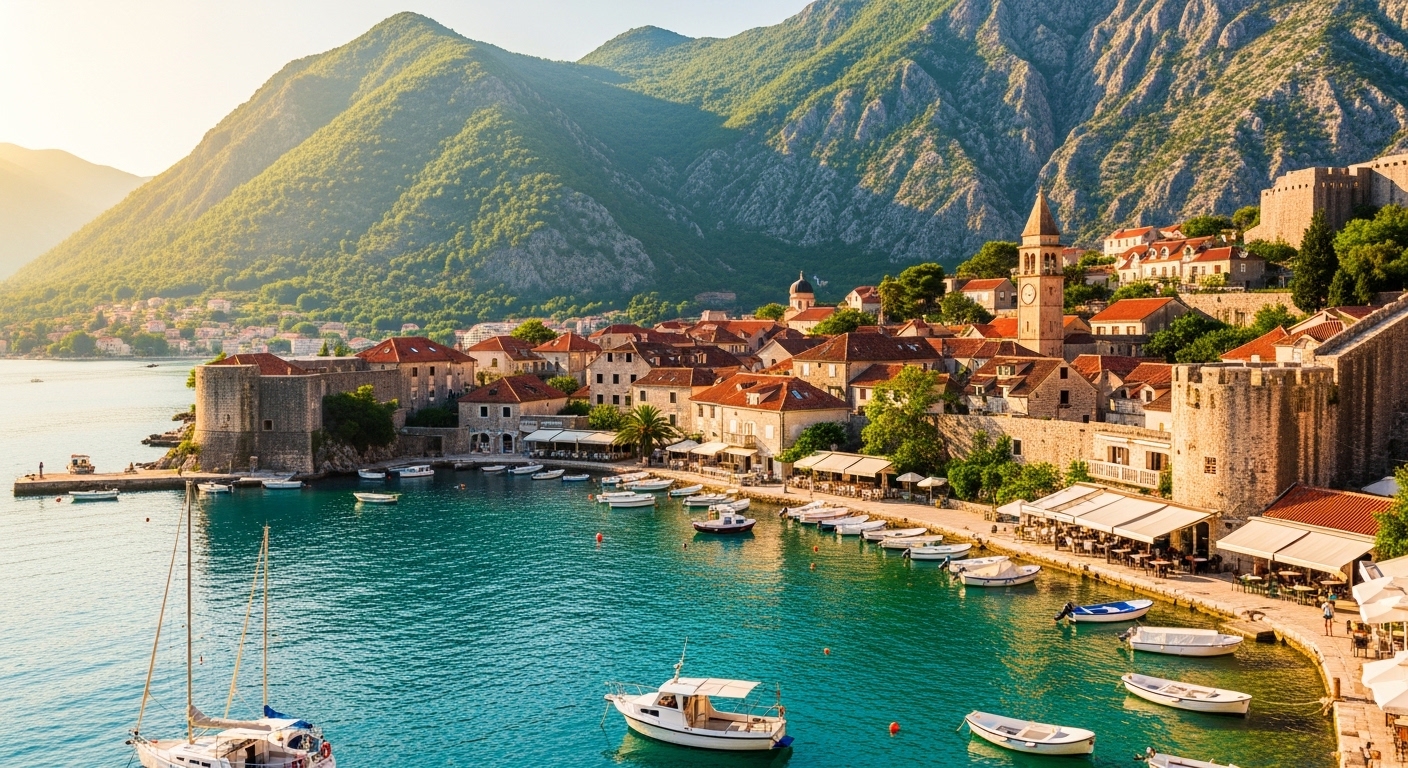
Imagine a place where sheer limestone cliffs plunge into the mirror-still waters of the Adriatic, guarding a medieval town so perfectly preserved it feels like a film set. Welcome to Kotora melnkalne, the jewel of Montenegro’s coast and one of Europe’s most breathtaking destinations. And the best part? You don’t need a lottery win to experience it. Let me tell you why this UNESCO-protected wonder deserves a spot on your travel list and exactly how to make it happen without emptying your savings.
Why Kotora Melnkalne Steals Hearts
I still remember the first moment I stepped through the Sea Gate into the Old Town. The stone walls, worn smooth by centuries of touch, seemed to hum with stories. Kotora melnkalne isn’t just another pretty coastal town it’s a living museum where Venetian nobles once walked, where Illyrian warriors fortified the mountain, and where every cobblestone has a tale to tell.
The numbers speak for themselves: this Natural and Culturo-Historical Region earned UNESCO World Heritage status in 1979, despite a devastating earthquake that same year. The fact that locals rebuilt their beloved city with such care tells you everything about the spirit of this place. And when UNESCO added Kotor’s fortifications to their list of Venetian defence works in 2017, they cemented its status as a treasure of global significance.
But let’s be honest statistics won’t make you book a flight. The view from the top of the San Giovanni fortress will. That 360 degree panorama of the Bay of Kotor with its deep blue water snaking between forested mountains is the kind of sight that makes you pinch yourself.
Getting to Kotora Melnkalne: Your Practical Roadmap
By Car: The Freedom Lover’s Choice
If you’re like me and believe that half the adventure lies in the journey, driving to Kotora melnkalne is your best bet. The coastal road from Dubrovnik takes about three to four hours and costs roughly 30 Euros for a one way bus ticket if you’re not bringing your own wheels. But here’s the insider tip: renting a car at Tivat Airport, just 10 minutes from Kotor, gives you the flexibility to explore the entire bay at your own pace.
Driving around the Bay of Kotor is an experience in itself. The full loop from Tivat through Kotor, Perast, Risan, and Herceg Novi covers about 140 kilometres. You could rush it in one long day, but honestly? Take two. The road winds along the water’s edge, offering pullover spots where you’ll want to stop every five minutes for photos.
Just remember one golden rule: do not drive into Kotor’s Old Town. Those medieval streets weren’t designed for cars, and parking lots fill by 9am in summer. Park outside the walls and walk through the Sea Gate like generations of visitors before you.
By Bus: The Budget Backpacker’s Friend
For solo travelers or those watching their euros, buses are a fantastic option. Kotor connects well with major Balkan cities. From Dubrovnik, a round trip ticket runs about 30 Euros, giving you around five hours in town enough for the fortress hike, Old Town exploration, and a leisurely meal. Rome2Rio is your friend here for comparing routes and prices.
From the Sea: Arriving in Style
Mediterranean cruises increasingly include Kotora melnkalne on their itineraries, and gliding into the bay as the sun hits the fortress walls is pure magic. If you’re on a cruise ship, you’ll dock within walking distance of everything. Just be prepared to share the town with fellow passengers during peak hours.
The Best Hotels in Kotora Melnkalne for Every Budget
Budget Stays: Sleep Cheap, Live Rich
You don’t need luxury when you’re spending your days hiking mountains and exploring medieval streets. Hostel Pupa offers dorm beds from just 12 Euros per night, with a fantastic 9.2 rating from fellow travelers. Even better? It’s located in the Old Town, meaning you’re steps away from everything.
Hostel Centrum runs about 27 Euros nightly and scores 9.6 for its central location and friendly vibe. For something different, consider a work exchange through Worldpackers or Workaway you stay for free in exchange for a few hours of help each day.
Mid Range Comfort: Boutique Charm
If you’re celebrating something or just want a nicer base, Hotel Astoria Kotor inside the Old Town offers doubles around 184 Euros with genuine character. Hotel Vardar Kotor, also in Stari Grad, provides excellent service and a sauna for around 140 Euros.
For something slightly outside the walls, Hotel Libertas in Prcanj sits right on the water with an outdoor pool and private beach access for about 118 Euros.
Luxury Splurges: Worth Every Euro
When only the best will do, Huma Kotor Bay Hotel and Villas delivers 5 star service with a private beach, multiple pools, and stunning bay views. Rates start around 145 Euros, which is surprisingly reasonable for this level of luxury. For something ultra exclusive, Forza Mare offers individually designed suites with a private beach.
Hiking Trails in Kotora Melnkalne: Lace Up Those Boots
The Iconic Climb: San Giovanni Fortress
This isn’t just a hike it’s a pilgrimage. The 1,350 steps up the Old City Walls to the San Giovanni castle test your legs but reward you with the single best view of the Bay of Kotor. The climb takes one to two hours depending on your pace, and the entrance fee is 8 Euros (or 15 Euros if you pay at the top).
Money saving tip: Start before 8am. Not only do you avoid both the entry fee and the cruise ship crowds, but you also experience the fortress in golden morning light.
Halfway up, catch your breath at the Church of Our Lady of Remedy. This tiny 16th century sanctuary feels mysterious in its simplicity, with bare stone walls and a handful of religious relics. Entry is free.
Beyond the Walls: Lovcen National Park
For serious hikers, the trails of Lovcen National Park offer a different perspective. The Babina Glava circular route runs 13.9 kilometres with 461 metres of ascent, taking about five hours. You’ll traverse old military roads and remote high basins, with views stretching from Tivat to Budva on clear days.
The drive up the R-25 road from Kotor to the Lovcen Visitor Center is an attraction in itself one of those rare roads that makes you pull over constantly to photograph the bay shrinking below you.
Restaurants in Kotora Melnkalne Old Town: Eating Well for Less
Where Locals Eat
Forget overpriced tourist traps. Head to BBQ Tanjga just outside the South Gate, where you pick raw meat from the display and watch it grilled fresh. Their mixed meat plate runs 12 to 18 Euros and can easily feed two hungry hikers.
Fast Food As in the Old Town serves quick pizza slices for around 4 Euros, while Pizzeria Pronto sells whole pies for 10 to 12 Euros perfect for a picnic on the town square.
Traditional Treats
Don’t leave without trying Kotor Krempita, the city’s famous custard dessert. Forza Café on Trg od Oružja serves it for about 4.5 Euros. Pair it with a coffee while watching the world wander past.
Smart Eating Strategies
Grocery stores are your friends here. A 0.25 litre Heineken costs under 1 Euro at the supermarket, compared to 3 or 4 Euros at bars. Stock up on drinks and snacks for your hikes, and save your dining budget for those special meals.
Kotora Melnkalne Attractions in Autumn: The Secret Season
Why Autumn Steals the Show
Summer crowds can overwhelm Kotor’s narrow streets, with cruise ships disgorging thousands of day trippers. But autumn? September through November transforms the town. Visitor numbers drop by 50 to 70 percent, temperatures become perfect for hiking, and the surrounding mountains blaze with fall colors -8.
September averages 20 to 26°C warm enough for boat tours but cool enough for comfortable climbing. October brings 10 to 19°C and increasingly vibrant foliage in the Lovcen Mountains. Even November’s occasional rain adds a misty romance to the bay, with photographers praising the golden light.
What to Do in Autumn
The fortress hike becomes genuinely enjoyable without summer’s 30°C heat. Boat tours to Perast and Our Lady of the Rocks feel crisp and refreshing. And if you time it right, you might catch local harvest festivals celebrating the season’s.
Accommodation prices drop 20 to 40 percent in autumn, and you’ll actually get tables at those restaurants you’ve been eyeing.
Weather in Kotora Melnkalne: When to Go
Monthly Breakdown
Kotor enjoys a temperate Mediterranean climate with warm summers and rainfall year round.
Summer (June August): Daytime highs reach 28°C, sea temperatures hit 25°C perfect for swimming. But July and August bring peak crowds and prices. Nine hours of daily sunshine mean long exploration days.
Autumn (September November): September stays warm at 24°C, cooling to 13°C by November. Rainfall increases from 100mm in September to 190mm in November, but those showers usually pass quickly.
Winter (December February): Daytime temperatures hover around 7-8°C, with nights dropping to -1°C. This is the quietest season. Many boat tours stop running, but if you want the Old Town practically to yourself, this is your moment.
Spring (March May): Temperatures rise from 12°C in March to 21°C in May. April brings the cheapest hotel rates of the year. Spring flowers carpet the mountains, and the bay sparkles with renewed energy.
Kotora Melnkalne Prices and Costs: Your Realistic Budget
Daily Budget Breakdown
Here’s what you can expect to spend per person, per day:
- Budget traveler: 45 Euros (hostel dorm, self catered meals, local buses, free attractions)
- Mid range: 150 Euros (boutique hotel, restaurant meals, paid attractions, occasional taxis)
- Luxury: 350 Euros (5 star resort, fine dining, private tours, premium experiences)
What Things Actually Cost
Let’s get specific with current prices:
- St. John’s Fortress entry: 15 Euros (free before 8am)
- Local bus to Perast: 1.50 Euros
- Kotor to Budva bus: 6 Euros plus 1 Euro luggage fee
- Airport transfer from Tivat: official rate 30 Euros, negotiate street taxis for 15-20 Euros
- Kotor Lovćen Cable Car round trip: 23 Euros
- Mixed meat plate at BBQ Tanjga: 12-15 Euros
- Kotor Krempita dessert: 4.50 Euros
- Supermarket beer (0.25L): 0.89 Euros
- Tourist SIM card (500GB/15 days): 15 Euros
Money Saving Secrets
- Climb before 8am: Save 15 Euros and enjoy solitude at the fortress.
- Use local buses: The Blue Line costs 1.50 Euros to reach Perast or Dobrota, versus expensive private transfers.
- Buy the heritage ticket: For 15 Euros, visit the Perast Museum, Solidarity Gallery, and Roman Mosaics in Risan.
- Stay outside the walls: Muo or Dobrota offer better value and waterfront access.
- Carry cash: The fortress gate doesn’t accept cards.
- Flag buses on the road: Avoid the 1-1.50 Euro bus station fee by boarding at roadside stops.
Beyond the Old Town: Exploring the Bay of Kotor
Perast and Our Lady of the Rocks
Twenty minutes north of Kotor, Perast strings its stone buildings along the waterfront like pearls. Two islands float just offshore: St. George Island (a monastery closed to the public) and Our Lady of the Rocks, an artificial island built by sailors over centuries who dropped stones into the bay after safe voyages.
A 5 Euro boat ride takes you to the island, where the church interior holds surprising treasures. Perast’s parking fills quickly in summer, so arrive early.
Risan: Roman Secrets
Ten minutes further, Risan offers something unexpected: remarkably preserved 3rd century Roman mosaics. The centerpiece features Hypnos, god of sleep, in the only known mosaic of this subject worldwide. The small museum protects these floors in situ, and the modest entry fee supports their preservation.
Herceg Novi: The Overlooked Gem
At the bay’s mouth, Herceg Novi receives fraction of Kotor’s visitors. Forte Mare fortress overlooks the Adriatic, and the old town walls lead to terraces perfect for lunch. If you’re doing the two day bay loop, this is an excellent overnight stop.
Mediterranean Cruises and Day Trips
From the Water
Seeing Kotora melnkalne from the bay adds a whole new dimension. Several options exist:
- Kayaking: 35 Euros for 2.5 hours of paddling beneath the cliffs
- Stand up paddleboarding: 35 Euros for 2 hours
- Speedboat tours: 43 Euros for 3 hours, including swimming at the Blue Cave
- River rafting: 112 Euros for a full day trip to Tara River
Day Trips from Dubrovnik
If you’re based in Croatia, Kotor makes an excellent day trip. Round trip buses cost around 30 Euros, giving you five hours in town enough for the fortress, Old Town exploration, and a meal. For 20 Euros more, book a group tour that handles all logistics.
Stone Castles and Medieval Architecture
The Fortifications Explained
Kotor’s defensive system ranks among the most impressive in the Mediterranean. Stretching 4.5 kilometres with walls 2 to 16 metres thick and reaching 20 metres high, it incorporates military architecture from Illyrian, Byzantine, Venetian, and Austrian periods.
Key components include:
- Sea Gate (1555): The main entrance from the bay
- River Gate (1540): North entrance with nearby Bembo Bastion (now an open theatre)
- Gurdic Gate (1470): South entrance with its own bastion
- San Giovanni Castle: At 280 metres elevation, commanding the entire bay
The system survived two Ottoman sieges (1538-1571 and 1657-1699), British naval attack in 1814, and the devastating 1979 earthquake.
Inside the Old Town
The Cathedral of Saint Tryphon, built in 1166, anchors the religious heart of Kotor. Despite earthquake damage, its Romanesque architecture remains awe inspiring. Wander aimlessly through the maze of streets you’ll discover quiet squares, tiny churches, and cafe filled courtyards where locals debate life over espresso.
Travel to Kotora Melnkalne by Car: Essential Tips
Navigation Know How
Driving in Montenegro is generally straightforward, but Kotor presents unique challenges:
- Parking: The lots outside the walls fill by 9am in summer. Have a backup plan.
- Street width: Medieval streets weren’t designed for modern cars. If you accidentally enter the Old Town, you’ll regret it.
- The car ferry: The Kamenari Lepetane crossing saves 45 minutes of driving. It runs continuously and takes about 5 minutes.
- Fuel: Fill up in Herceg Novi or Budva; stations are scarce on the bay road itself.
- Road quality: Main roads are well maintained. Some village side roads have potholes, but nothing a standard car can’t handle.
Suggested Itinerary
Two Day Bay Loop:
Day 1: Pick up car at Tivat Airport, explore Kotor Old Town (2+ hours), drive to Perast (1-2 hours), continue to Risan (30-45 minutes), overnight in Herceg Novi.
Day 2: Explore Herceg Novi, take car ferry across bay mouth, drive to Budva (1-2 hours), visit Sveti Stefan viewpoint, return to Tivat.
Conclusion: Your Kotor Adventure Awaits
Kotora melnkalne isn’t just another Mediterranean destination. It’s the rare place that delivers on every promise: dramatic scenery that exceeds the photos, history that feels alive beneath your fingers, and genuine warmth from people proud to share their corner of the world.
Whether you’re hiking the ancient walls at dawn, kayaking the mirror bay as church bells echo across the water, or simply sitting in a sun warmed square with a slice of Krempita and a coffee, Kotor works its magic slowly and permanently.
The best part? This level of beauty remains accessible. With smart planning, you can experience the best of Kotora melnkalne for 45 Euros daily or splurge for luxury at half the price of nearby Dubrovnik. The mountains, the bay, and those thousand year old stones don’t care how much you spend they welcome everyone equally.
So what are you waiting for? Check those flight prices, dust off your hiking boots, and prepare for one of Europe’s great travel experiences. The Bay of Kotor is calling, and trust me, you’ll answer.
You May Also Like: Veneajelu: Exploring Finland’s Serene Boat Ride Tradition
Frequently Asked Questions
Is Kotora melnkalne worth visiting?
Absolutely. It combines dramatic natural scenery with remarkably preserved medieval architecture, all at more affordable prices than better known Adriatic destinations. Even a day trip from Dubrovnik reveals why this UNESCO site captivates visitors.
How many days do I need in Kotor?
Three to five days allows you to hike the fortress, explore the Old Town thoroughly, take a boat trip to Perast, and possibly venture into Lovcen National Park. With two days, you can cover the highlights comfortably. Even one day works if you prioritize the fortress and Old Town.
When is the best time to visit?
May, June, and September offer the ideal combination of warm weather, manageable crowds, and reasonable prices. July and August bring peak crowds and heat. Autumn adds beautiful colors and lower costs. Winter is quiet and cool with many boat tours suspended.
Is Kotor expensive?
Kotor is moderate for the Adriatic about 30-40% cheaper than Dubrovnik. Budget travelers manage on 45 Euros daily, mid range visitors spend around 150 Euros, and luxury seekers can easily spend more. Prices peak in summer and drop significantly in autumn and winter.
Can I drink tap water in Kotor?
Yes, Montenegro’s tap water is generally safe to drink. Bring a reusable bottle to save money and reduce plastic waste.
Do I need to speak Montenegrin?
English is widely spoken in tourist areas, especially among younger people. Learning a few words like “hvala” (thank you) and “dobar dan” (good day) is appreciated but not necessary.
Is Kotor safe for solo travelers?
Very safe. Montenegro has low crime rates, and Kotor’s tourist areas are well policed. Standard precautions apply, but solo travelers particularly women report feeling comfortable exploring alone.
What should I pack?
Comfortable walking shoes are essential the fortress climb and cobblestone streets demand them. In summer, pack sun protection and light layers. Autumn and spring require waterproof layers and warmer clothing. Winter needs a proper coat.