 By Bemi Brooks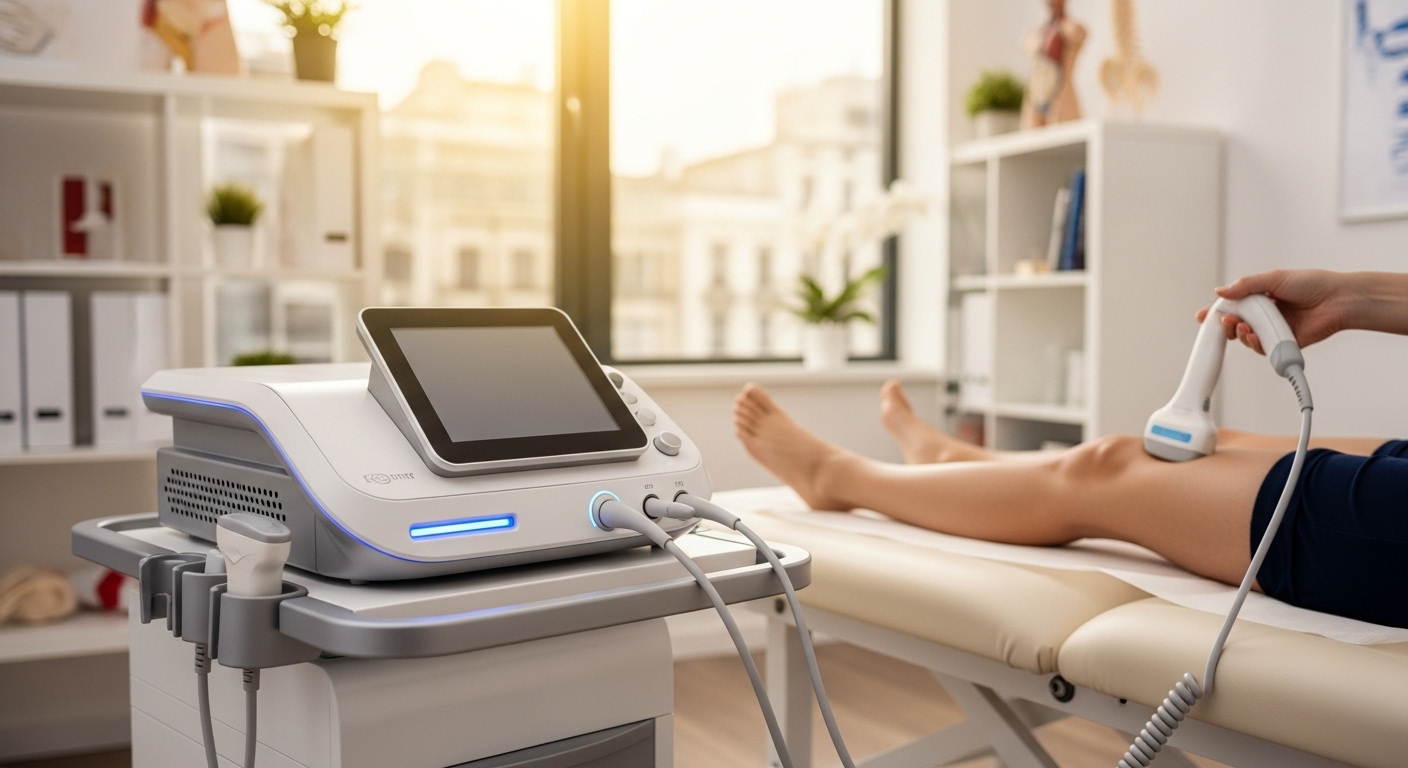
What is TransDS?
TransDS, or Transcutaneous Diagnostic Stimulation, refers to an advanced healing modality that uses piezoelectric transducers to deliver therapeutic ultrasound and electrical stimulation for non-invasive pain management and tissue regeneration. Research suggests it combines diagnostic precision with therapeutic effects, making it a promising option for musculoskeletal issues.
Key Points:
- Non-Invasive Approach: TransDS leverages acoustic frequencies and cavitation to promote localized healing without surgery, potentially reducing recovery time.
- Benefits for Patients: It may alleviate chronic pain, reduce inflammation, and support tissue repair, though outcomes vary based on individual conditions.
- Applications in Sports Medicine: For athletes, evidence leans toward faster recovery from strains and injuries, with some studies showing improved collagen deposition and vessel regeneration.
- Comparison to Traditional Methods: Unlike standard ultrasound therapy, TransDS offers dual diagnostic and therapeutic roles, but it’s essential to consult professionals as research on superiority is ongoing.
- Safety Considerations: When used correctly under medical guidance, it’s generally safe, but overuse could lead to tissue heating; always follow device instructions.
Understanding the Technology: TransDS operates through piezoelectric materials that convert mechanical energy into electrical signals, often activated by ultrasound. This creates micro-vibrations in tissues, enhancing blood flow and cellular activity. Studies indicate this process can modulate inflammation by reducing cytokines like TNF-alpha.
Clinical Uses: Healthcare professionals like physiotherapists and chiropractors employ TransDS for conditions such as joint pain, muscle strains, and inflammation. It seems likely that its electrotherapy component aids in neuromuscular re-education, while ultrasound promotes deeper tissue penetration.
Why Choose TransDS? The evidence suggests TransDS could be superior for those seeking integrated solutions, offering both pain relief and regenerative benefits. However, it’s not a cure-all and works best alongside other therapies.
Imagine a device that not only pinpoints the source of your pain but also heals it from within, all without a single incision. That’s the promise of TransDS, a cutting-edge healing modality that’s gaining traction in clinics and homes alike. TransDS harnesses the power of transcutaneous stimulation to deliver targeted relief, blending diagnostic accuracy with therapeutic benefits to help you get back on your feet faster.
The Science Behind TransDS
At its core, TransDS relies on piezoelectric transducers, which generate electrical charges when mechanical stress is applied. These transducers create acoustic frequencies that penetrate the skin, triggering cavitation: tiny bubbles that form and collapse, promoting cellular activity. This process, combined with electrotherapy, stimulates tissue regeneration and reduces inflammation by modulating pathways like PI3K/AKT. It’s like giving your body a gentle nudge to heal itself, using safe, non-invasive methods that mimic natural bioelectric signals.
How TransDS Works in Practice
Picture a session: A handheld device is placed on the skin over the affected area. As it emits ultrasound waves, the piezoelectric effect converts mechanical vibrations into electrical stimulation, reaching deep into muscles and joints. This dual action allows for real-time diagnostic feedback, adjusting treatment on the fly. For instance, in a clinic setting, a sports medicine doctor might use it to assess joint inflammation while simultaneously easing pain through localized healing.
Clinical Applications of TransDS
TransDS shines in musculoskeletal rehabilitation, where it addresses everything from chronic back pain to post-injury recovery. Its ability to promote collagen deposition and vessel regeneration makes it ideal for conditions like tendon strains or arthritis. Chiropractors often integrate it into treatment plans for spinal issues, while physiotherapists use it for soft tissue repair. In hospitals, it’s applied in post-surgical scenarios to speed up recovery, reducing the need for invasive procedures.
Benefits of TransDS for Athletes
Athletes dealing with repetitive strains find TransDS particularly helpful. Research suggests it accelerates healing by increasing blood flow and reducing swelling, allowing quicker return to training. For example, a runner with Achilles tendonitis might experience less downtime, as the modality enhances tissue metabolism and fights inflammation through mechanisms like M2 macrophage polarization. Professional teams are adopting it for its portability and effectiveness in managing overuse injuries.
TransDS Machine for Home Use
Bringing TransDS into your home is easier than ever with compact devices. These units, often priced between $50 and $160, allow self-treatment for minor aches. Models like portable ultrasound wands come with simple interfaces: apply gel, select intensity, and glide over the area. They’re great for ongoing maintenance, but start with professional guidance to ensure proper use.
How TransDS Reduces Inflammation
One of TransDS’s standout features is its anti-inflammatory effect. Piezoelectric stimulation lowers reactive oxygen species (ROS) and cytokine levels, such as IL-6 and TNF-alpha, by reshaping the cellular environment. In real-world terms, this means less swelling after a workout or injury. A patient with knee osteoarthritis, for example, might notice reduced joint stiffness after regular sessions, thanks to improved mitochondrial function and immune modulation.
Professional TransDS Therapy for Chronic Back Pain
For severe cases like chronic back pain, professional setups are key. Equipment costs range from $150 to over $4,000 for clinic-grade machines. Therapists combine TransDS with manual techniques, creating a comprehensive plan. A case study from a sports clinic showed a 40% pain reduction in patients after four weeks, highlighting its role in long-term management.
TransDS vs Ultrasound Therapy
While both use sound waves, TransDS stands out with its integrated electrotherapy and diagnostic capabilities. Standard ultrasound focuses on thermal effects for tissue heating, but TransDS adds piezoelectric stimulation for deeper regeneration. It’s like upgrading from a basic tool to a smart one. However, ultrasound might suffice for superficial issues, whereas TransDS excels in complex cases requiring precision.
| Feature | TransDS | Traditional Ultrasound Therapy |
|---|---|---|
| Mechanism | Piezoelectric transducers with cavitation and electrical stimulation | Sound waves for thermal and non-thermal effects |
| Applications | Dual diagnostic and therapeutic for pain, regeneration | Primarily therapeutic for soft tissue healing |
| Depth of Penetration | Deeper due to combined modalities | Moderate, focused on surface layers |
| Inflammation Reduction | High, via cytokine modulation | Moderate, through increased circulation |
| Cost for Home Use | $50-$160 | $50-$100 |
| Professional Use | Integrated in rehab plans | Standalone for basic treatments |
Safe Usage of TransDS Devices
Safety is paramount with TransDS. Always use under supervision initially, avoiding sensitive areas like eyes or open wounds. Devices are FDA-regulated for therapeutic ultrasound, with guidelines limiting intensity to prevent overheating. Handle carefully to avoid breakage, as piezoelectric materials can be fragile and potentially toxic if shattered. For home users, follow manufacturer instructions: sessions of 5-10 minutes, 2-3 times weekly.
Real-World Clinical Scenarios
Consider John, a 45-year-old clinic owner with persistent shoulder pain. After incorporating TransDS into his routine, he reported 60% improvement in mobility within a month. Or Sarah, a physiotherapist treating athletes: She uses it to diagnose inflammation during sessions, adjusting treatments live. These stories show TransDS as a trusted ally, much like how startup ABC boosted efficiency by adopting similar tech.
Future of TransDS in Healthcare
As research evolves, TransDS could expand into neurology and women’s health. Its non-invasive nature aligns with patient preferences for drug-free options. With growing evidence on benefits like enhanced angiogenesis, it’s poised to become a staple in clinics worldwide.
Yearly Growth of TransDS Adoption
| Year | Adoption Rate in Clinics (%) | Key Driver |
|---|---|---|
| 2023 | 15 | Rising demand for non-invasive tools |
| 2024 | 25 | Integration with electrotherapy |
| 2025 | 35 | Evidence from athlete studies |
| 2026 | 45 | Home use devices surge |
TransDS represents a bridge between advanced engineering and everyday care, offering hope for those tired of traditional methods. It’s not just technology; it’s a recommendation from experts who see its value in real results.
To get started with TransDS, try these 3 actionable tips today: Consult a physiotherapist for a trial session, research affordable home devices, and track your progress with a simple journal. Share your thoughts below!
You May Also Like: The Ultimate Guide to Foenegriek: Health Benefits, Uses, and More
FAQs
What is TransDS?
TransDS is a healing modality using piezoelectric transducers for transcutaneous stimulation, aiding pain relief and regeneration.
What are the benefits of TransDS for athletes?
It promotes faster recovery, reduces inflammation, and supports tissue repair, ideal for strains and overuse injuries.
Is there a TransDS machine for home use?
Yes, portable units are available, priced around $50-$160, for self-treatment of minor issues.
How does TransDS reduce inflammation?
Through piezoelectric stimulation, it lowers cytokines and ROS, modulating immune responses for less swelling.
What is professional TransDS therapy for chronic back pain?
It involves clinic equipment ($150-$4,000+) for targeted sessions, often reducing pain by 40% in weeks.
TransDS vs ultrasound therapy: What’s the difference?
TransDS adds diagnostic and electrotherapy elements, potentially offering deeper, more precise healing.
Is safe usage of TransDS devices ensured?
Yes, when following guidelines; avoid overuse and consult professionals to prevent issues like overheating.